
Autonomous Robots for High-Risk Operations
Defence, Security & Emergency Response Robotics
Defence robots protecting human life through intelligent automation systems and supervised autonomy. Through advanced bomb disposal robot platforms, firefighting robot systems and autonomous security patrol robots, we engineer scalable robotic solutions that reduce operational risk, enhance situational awareness and enable secure, data-driven emergency response and critical infrastructure protection.
Risk Exposure Is No Longer Acceptable
Building Defence Robotics Systems Means Reducing Human Exposure in the Most Dangerous Operational Environments
Robotics plays a decisive role in modern defence and emergency operations where human exposure to danger must be minimized. From a bomb disposal robot approaching an explosive device to a firefighting robot operating inside smoke-filled structures, these systems are engineered to perform tasks in environments where direct human presence would involve unacceptable risk.
In security applications, patrol robots and autonomous security patrol robot platforms provide continuous monitoring across industrial sites, borders and critical infrastructure. Equipped with multi-sensor perception systems, encrypted communication modules and supervised control software, these platforms extend operational visibility while maintaining full human oversight.
Robotics in firefighting has evolved beyond experimental systems. Modern fire fighter robots and advanced fireman robot units are capable of navigating heat-intense environments, detecting hot spots and supporting fire suppression efforts. Integrated fire truck robot systems can operate alongside conventional emergency vehicles, expanding operational reach without increasing personnel exposure.
At system level, a defence robotic platform is not a standalone machine. It is an integrated architecture combining:
- Mobile mechanical platforms
- Sensor fusion systems (thermal, LiDAR, gas detection)
- Secure communication networks
- Remote teleoperation and supervised autonomy
The objective is simple and strategic: eliminate unnecessary human risk while maintaining full operational control.
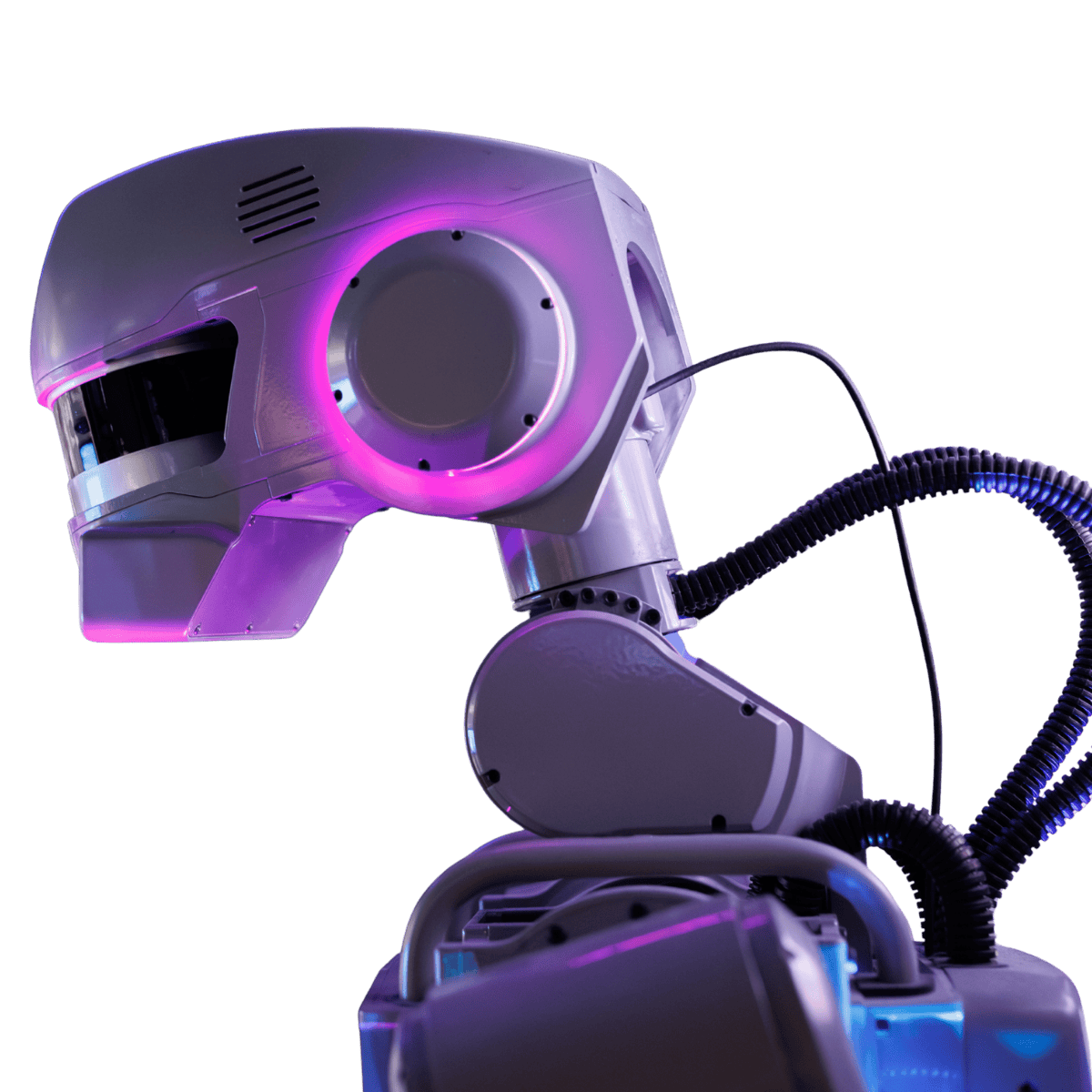
Integrated Defence Robotics Platforms Designed to Perform the First Contact with Risk
Defence robotics systems are engineered to operate where human intervention introduces unacceptable exposure. From patrol robots securing large perimeters to bomb disposal robot platforms handling explosive threats, and from firefighting robot systems entering extreme heat zones to remote inspection units assessing unstable structures, these robotic platforms are designed to engage first, transmit intelligence and stabilize high-risk environments before human deployment.

Unmanned Ground Vehicles (UGV) – Patrol & Surveillance
Unmanned Ground Vehicles (UGV) deployed as patrol robots provide continuous monitoring across critical infrastructure and high-security environments. A security patrol robot enhances perimeter protection, enables real-time surveillance and supports early threat detection while reducing direct human exposure in industrial sites, borders and sensitive operational zones.
Continuous Surveillance and Autonomous Area Control
- Perimeter patrol
- Night surveillance
- Intruder detection
- Industrial site monitoring
- Border observation
- Live video transmission to operator station
- Thermal imaging for low-visibility environments
- 24/7 autonomous monitoring capability
- Early incident detection and alert generation
Bomb Disposal & Hazardous Object Handling
Integrated into automated agriculture systems, they reduce chemical waste while maintaining consistent treatment performance across large-scale operations.
Remote Explosive Threat Neutralization
- Remote inspection of suspicious objects
- Robotic arm manipulation of packages
- Wire cutting and hazardous item relocation
- Close-up video transmission to specialists
- Precision-controlled articulated arm movement
- Blast-radius risk reduction
- Safe standoff operation from protected location


Firefighting & Disaster Response
A firefighting robot plays a critical role in modern robotics in firefighting, entering heat-intensive and smoke-filled environments before human teams engage. Advanced fire fighter robots and fireman robot platforms assist suppression, search and environmental monitoring, while integrated fire truck robot systems extend operational reach during complex emergency deployments.
Robotic Intervention in Fire and Disaster Scenarios
- Entry into smoke-filled structures
- Water or foam spraying capability
- Hose transport and deployment support
- Hot spot detection through thermal cameras
- Rubble search after earthquakes
- Trapped person location support
- Audio and video transmission
- Air quality measurement and toxic gas detection
- Microphone-based human sound detection
Reconnaissance & Remote Inspection
Reconnaissance robots enable remote inspection in structurally unstable, contaminated or radiation-exposed environments. Through teleoperation and advanced sensing systems, these platforms create digital maps and transmit real-time data, allowing operators to assess risk conditions before physical entry into tunnels, pipelines, damaged buildings or hazardous facilities.
Remote Teleoperation and Digital Environmental Mapping
- Tunnel inspection
- Pipeline monitoring
- Damaged building assessment
- Chemical facility inspection
- Radiation zone exploration
- Laser scanning for digital mapping
- High-resolution camera imaging
- Remote teleoperation via control console

Defence Robotics as the Foundation of Modern Civil Protection and Public Safety Systems
Expanding Protection Beyond the Battlefield
Defence robotics is no longer limited to military environments. Today, robotic systems are increasingly deployed across civilian infrastructure, public safety operations and industrial protection frameworks. From airport security and industrial safety to disaster management and firefighting support, these Defence robotics is no longer confined to military operations. Today, advanced robotic platforms are increasingly deployed across civilian infrastructure where operational risk must be managed without unnecessary human exposure. From airport security and industrial safety to critical infrastructure protection and large-scale disaster management, robotic systems are becoming integral components of public safety strategy.enhance operational readiness while reducing direct human exposure to hazardous conditions.
In airport environments, autonomous patrol robots enhance continuous monitoring and support rapid anomaly detection. Industrial facilities integrate robotic inspection and surveillance platforms to reduce exposure in hazardous zones. Critical infrastructure operators rely on robotic systems to maintain visibility across sensitive sites, while emergency teams deploy firefighting support robots and assessment units in unstable or toxic environments.
The strategic shift is clear: robotic systems are no longer auxiliary tools — they are frontline assessment assets.
The future of safety robotics follows a simple operational principle: robotic units deploy first. Before emergency teams enter a structurally compromised building, before firefighters advance into extreme heat zones, before specialists approach hazardous materials, a robotic platform performs the initial evaluation. It transmits live video, measures environmental conditions and provides actionable data that enables informed, controlled human intervention.
As this deployment model becomes standard practice, robotic systems will evolve into essential safety infrastructure — as fundamental to operations as helmets, fire trucks and protective equipment. Their role is not aggression or escalation. It is stabilization, protection and intelligent risk management.
The purpose of defence robotics is not conflict — it is protection.
Every dangerous task performed by a robotic system is a deliberate decision to preserve human life.

Start a Robotics Engineering Discussion
Every operational environment is different.
Factories, hospitals, logistics centers, solar parks and smart buildings require autonomous robotic systems engineered around real constraints, safety standards and performance targets.
Our robotics engineering team evaluates your operational workflow, technical requirements and integration complexity before defining a structured development strategy. From robotic system design and hardware architecture to AI robotics software and cloud robotics platform integration, we approach each project as an engineered solution — not a product sale.

Understanding Defence and Emergency Robotics Systems
Implementing defence robotics is a strategic investment decision. Whether evaluating a bomb disposal robot, firefighting robot systems or autonomous patrol robots, organizations must assess operational integration, risk reduction impact and long-term scalability before deployment.
What is a bomb disposal robot and how does it work?
A bomb disposal robot is a remotely operated robotic platform designed to inspect and neutralize explosive threats without exposing specialists to direct danger. It uses high-resolution cameras, articulated robotic arms and secure communication systems to allow operators to assess, manipulate and safely manage suspicious devices from a protected distance.
How are firefighting robots used in emergency response?
A firefighting robot is deployed in high-heat, smoke-filled or structurally unstable environments where human access is unsafe. Robotics in firefighting operations supports suppression efforts by spraying water or foam, detecting hot spots through thermal imaging and transmitting real-time environmental data to command teams before personnel entry.
What is the difference between patrol robots and a security patrol robot?
Patrol robots broadly describe mobile robotic systems designed for continuous surveillance across large areas. A security patrol robot typically integrates advanced sensing, automated alert systems and connectivity with access control and alarm infrastructure, functioning as part of a coordinated security ecosystem.
Can defence robots operate autonomously?
Modern defence robotic systems can navigate autonomously using LiDAR, GPS positioning and onboard computing systems. However, autonomy remains supervised. Most platforms operate under human-in-the-loop control to ensure operational safety, regulatory compliance and full mission oversight.
What is the future of robotics in firefighting and emergency response?
The emerging model prioritizes robotic-first deployment. A firefighting robot or assessment unit enters hazardous environments before personnel, collecting thermal, structural and environmental data. This approach improves situational awareness, supports informed decision-making and significantly reduces operational risk for emergency teams.